

Insights
Ideas from the work.
Writing from the intersection of technology, AI, operations, digital experience, program execution, and engineering.
TekFidelity’s thinking is shaped by work across technology strategy, AI, operations, digital experience, program execution and engineering. Our published field notes began in engineering; the same evidence-first approach now extends across the broader practice.
Questions worth asking
The questions that change a project are usually asked before the work starts.
A running set of the questions we bring into rooms — across strategy, AI, websites, execution, and engineering.
How will we know the problem is actually solved?
Completion is not the same as success. Before starting the work, define the condition that should improve, the evidence that will prove it changed, and who owns the outcome.
When should AI automate the work — and when should it only assist?
Automate repeatable work where the rules are clear. Augment work where judgment still matters. Some decisions should remain entirely human.
What if the organization has no SOPs or knowledge base?
Then RAG is not the first problem to solve. Start by identifying what the organization knows, where that knowledge lives, who holds it, and what needs to be captured and validated.
Do we actually need new technology?
Not always. The problem may be process, adoption, integration, governance, duplicated tools, or execution. Sometimes the most valuable recommendation is not to buy anything.
Does the website need a redesign — or does it need to perform better?
Those are different problems. Search visibility, conversion, speed, mobile usability, content, analytics, and CRM integration may matter more than changing how the site looks.
Why is the project still failing when the status report is green?
Because schedules measure activity better than they measure unresolved decisions, hidden dependencies, ownership, risk, or whether the business objective is actually being achieved.
Is this a Wi-Fi problem, or is Wi-Fi where the problem becomes visible?
Poor performance can originate in design, capacity, interference, cabling, configuration, client behavior, or the systems around the network. Measure before prescribing.
Field Notes
What we’re seeing across the practice.
Writing from across TekFidelity’s practice — strategy, AI, program execution, digital experience, and the wireless engineering work where this library began.
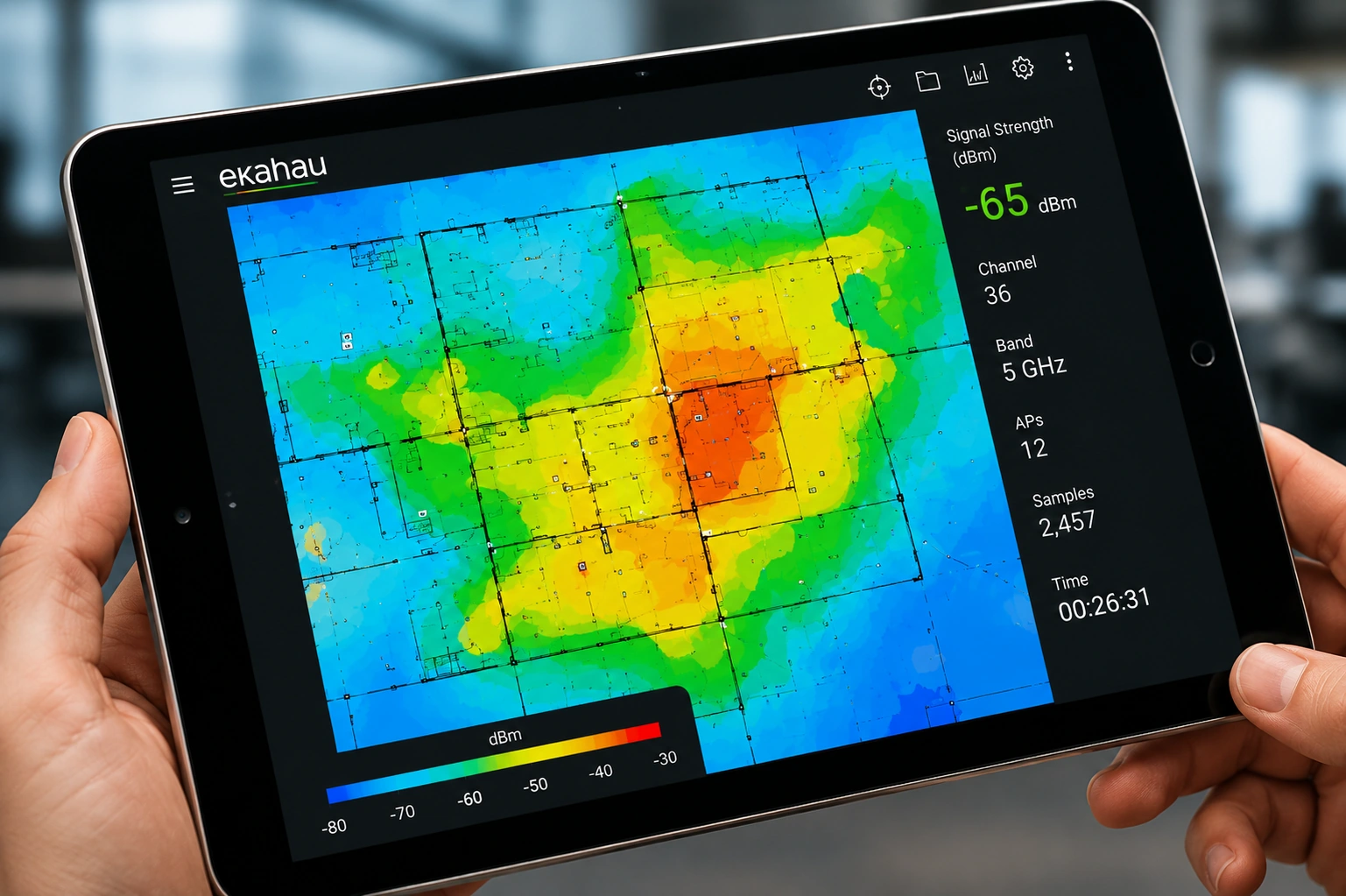
Why -67 dBm Is Not a Complete Wi-Fi Design Requirement

What Is Included in an Ekahau Wi-Fi Design?
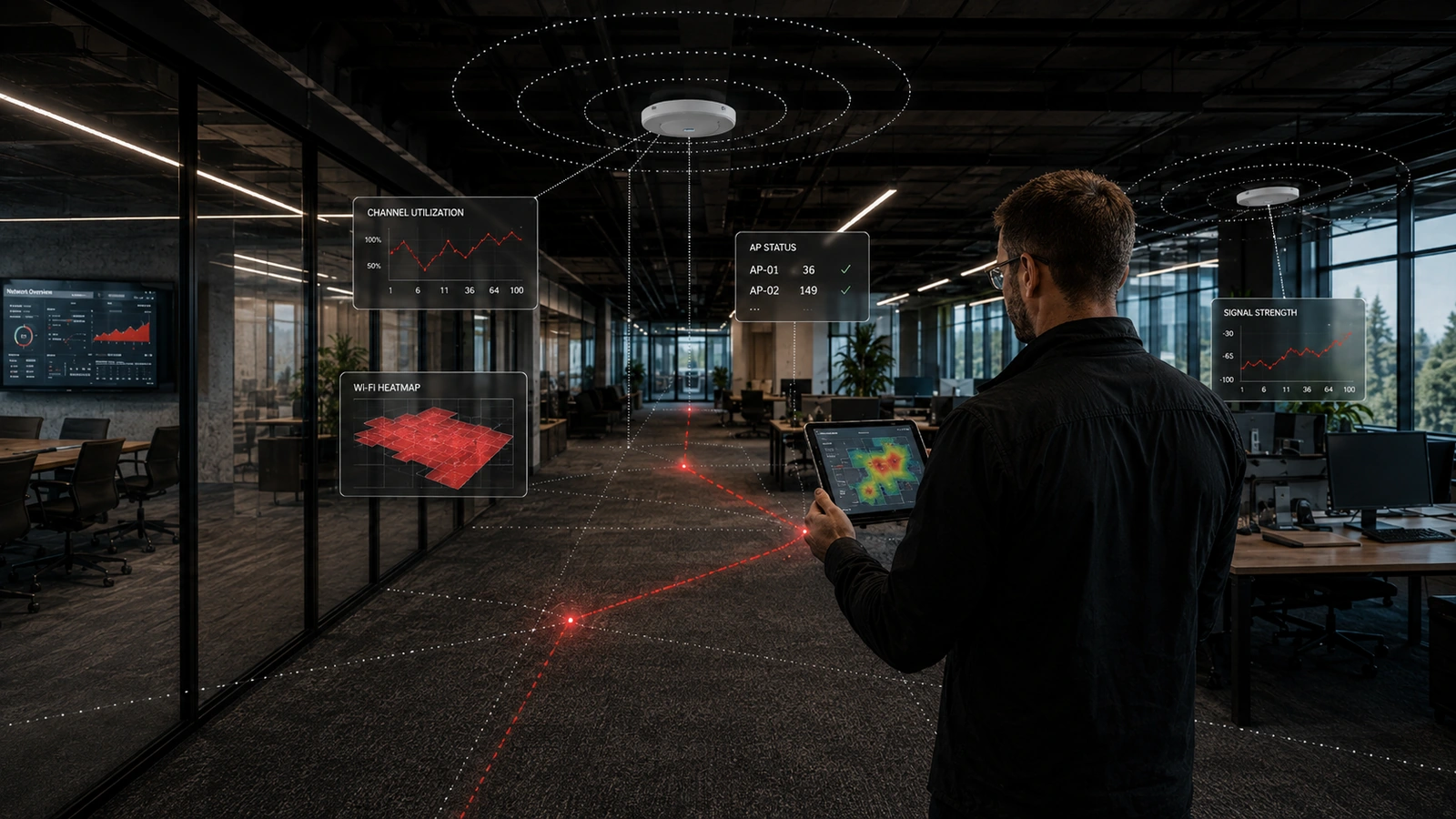
How to Validate Wi-Fi 7 Performance in the Field

The Hidden Cost of Bad Cabling

AI in Predictive Wi-Fi Design
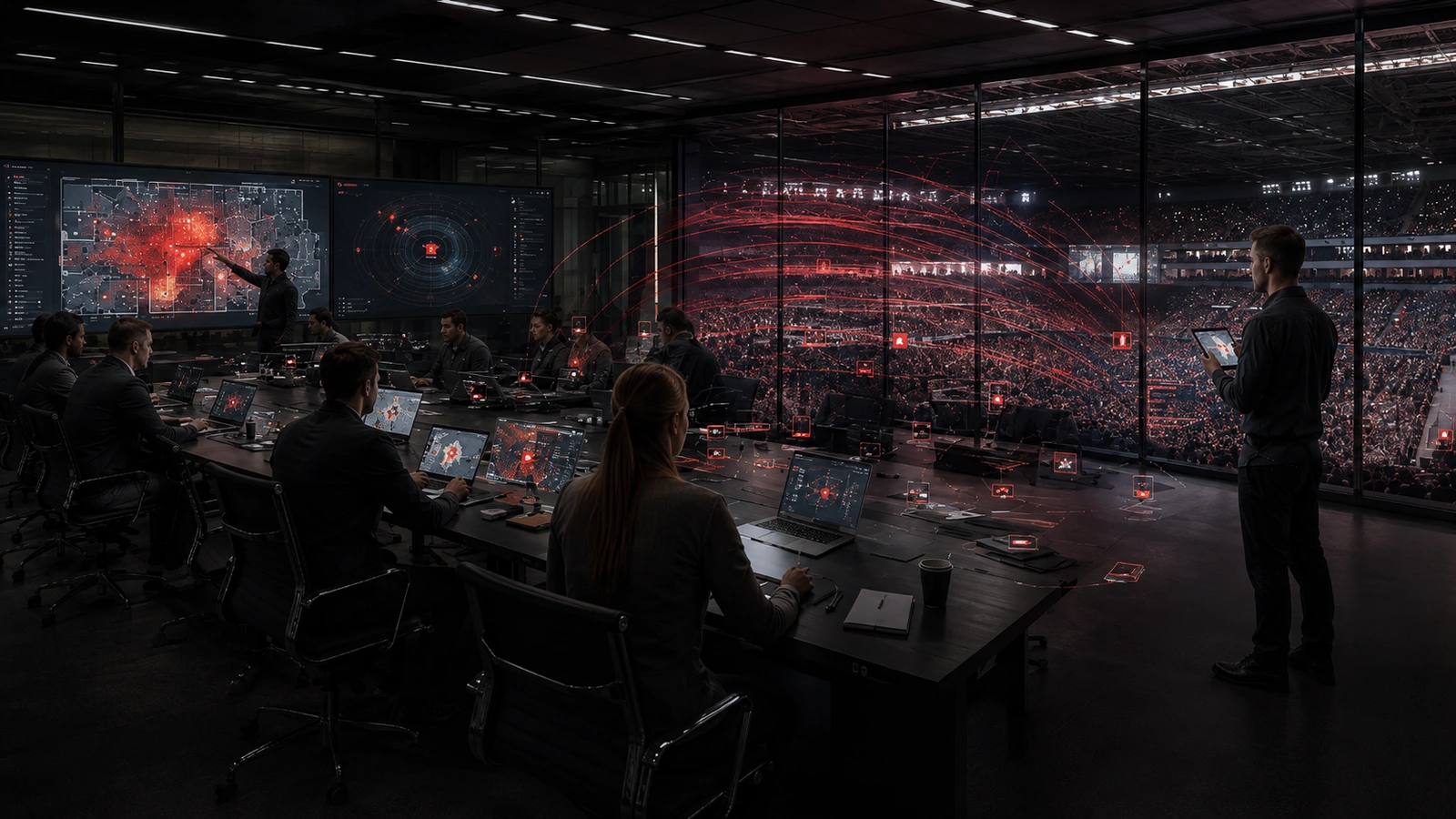
Designing for Capacity, Not Coverage
Across the practice
Technology Strategy·AI & Automation·Digital Experience·Program Leadership·Engineering
Where this goes next
If something here maps to a decision you’re facing, that’s worth a conversation.
The writing reflects how we work. The assessment is the fastest way to see where your own environment stands.